Buy baugeschaeft.eu ?
We are moving the project
baugeschaeft.eu .
Are you interested in purchasing the domain
baugeschaeft.eu ?
domain@kv-gmbh.de · 0541-91531010
Buy baugeschaeft.eu ?
What tools, materials, and equipment do teachers work with?
Teachers work with a variety of tools, materials, and equipment in their daily work. Some common tools include whiteboards, markers, and projectors for delivering lessons. Materials such as textbooks, worksheets, and manipulatives are used to support student learning. Equipment like computers, printers, and audio-visual devices are also essential for creating engaging lessons and activities. Overall, teachers rely on a combination of traditional and modern tools to effectively educate their students. **
How do you calculate the braking distance, the braking process, and the braking deceleration?
The braking distance can be calculated using the formula: braking distance = (initial velocity^2) / (2 * deceleration), where the deceleration is the rate at which the vehicle slows down. The braking process involves the driver applying the brakes, which causes friction between the brake pads and the wheels, leading to a decrease in the vehicle's speed. The braking deceleration can be calculated by dividing the change in velocity by the time it takes for the vehicle to come to a complete stop. **


Similar search terms for Braking
Top-Angebote
Products related to Braking:
-
Everyday Crate Heavy Duty Copper Tire Valve Stem For Construction Equipment & Agricultural Vehicles Heavy Duty Copper Tire Valve Stem For Construction Equipment & Agricultural VehiclesFeeling confident in your equipment starts with the smallest details. Designed for demanding work environments, this Heavy Duty Tire Valve Stem helps maintain reliable tire pressure and secure sealing for heavy machinery. Built from highstrength...34,97 $*Shipping: 0,00 $Secure redirect to the provider
-
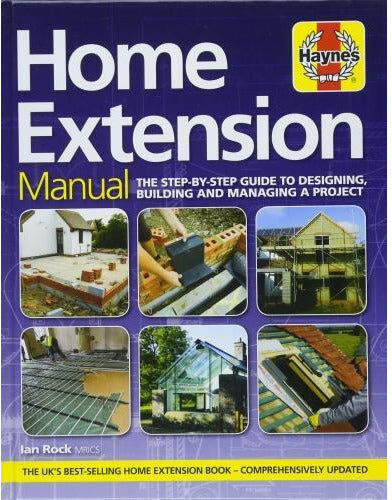
J H Haynes & Co Ltd Home Extension Manual – Step-by-Step Guide to Planning, Building & Managing Your Home Renovation Project DIY & Construction HandbookMany people are looking at ways to extend their homes rather than move house; but getting the builders in can be a recipe for disaster unless you really know what you are doing. Whether you plan to employ a building contractor or tackle some of the works yourself; this best-selling manual will show you how to stay firmly in control; resulting in a high-quality extension; completed on time and within budget. This new edition will include all the up-do-date information on complying with the latest Building Regs and Planning requirements; CAD design; energy-efficiency; under floor heating; bi-folds; liquid screeds; woodburning stoves and renewable energy. tags;home extension manual13,40 £*Shipping: 2,99 £Secure redirect to the provider
-
JoyToys 100PCS Large Building Blocks Educational Construction Set For Creative STEM Learning 100PCS Large Building Blocks Educational Construction Set For Creative STEM LearningSpark your child's imagination while building essential learning skills through creative play. These kids building blocks are designed for little hands, making stacking, connecting, and building simple, safe, and fun. With 100 colorful pieces,...29,97 $*Shipping: 0,00 $Secure redirect to the provider
-
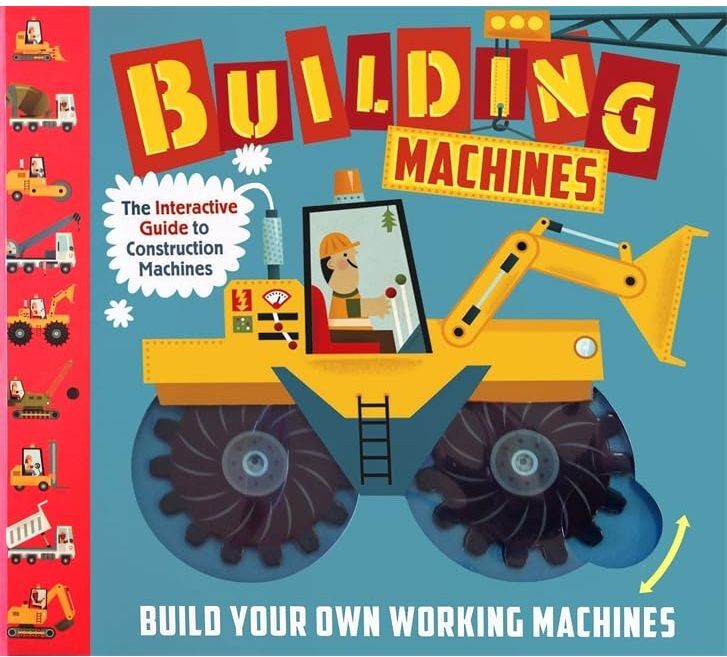
Templar Publishing Building Machines: The Interactive Guide to Construction MachinesThis book combines fact-filled spreads with an interactive building element. Colourful, humorous illustrations explain the mechanics behind each vehicle and their role on a construction site. Then, using a pegboard and over 50 pre-cut parts, budding young engineers can create mini models of these real machines - from bulldozers and dump trucks to cranes and road rollers.8,99 £*Shipping: 2,99 £Secure redirect to the provider


-
What building materials or construction is this?
This is a traditional Japanese building constructed using wood and paper. The wooden framework is typically made from cedar or cypress, and the walls are often made from paper screens called shoji. The roof is usually made from thatched straw or ceramic tiles. This type of construction allows for flexibility and natural ventilation, and is well-suited to Japan's climate and seismic activity. **
-
With which work tools, materials, and equipment do teachers work?
Teachers work with a variety of tools, materials, and equipment in their daily tasks. Some common tools include computers, projectors, whiteboards, and pens. Materials can range from textbooks and worksheets to art supplies and science equipment. Additionally, teachers may use equipment such as printers, laminators, and document cameras to enhance their teaching methods and create engaging learning experiences for students. **
-
Why is the braking system not building up pressure anymore?
The braking system may not be building up pressure anymore due to a leak in the brake lines or a malfunctioning brake master cylinder. A leak in the brake lines can cause a loss of hydraulic pressure, preventing the system from building up pressure. Similarly, a malfunctioning brake master cylinder can also result in a loss of pressure as it may not be able to generate the necessary hydraulic force. It is important to have the braking system inspected and repaired by a qualified mechanic to ensure safe and reliable operation. **
-
How do you calculate the braking time and braking distance?
Braking time and braking distance can be calculated using the formula: Braking distance = (initial velocity^2) / (2 * deceleration) Where initial velocity is the speed of the vehicle before braking, and deceleration is the rate at which the vehicle slows down. Braking time can be calculated by dividing the braking distance by the initial velocity. These calculations are based on the assumption of constant deceleration, and may vary depending on factors such as road conditions and the vehicle's braking system. **


What are the differences between braking to walking speed and braking?
Braking to walking speed typically involves gradually reducing speed until coming to a complete stop, whereas braking refers to the act of slowing down a moving vehicle. When braking to walking speed, the goal is to smoothly decelerate without any sudden stops, while braking may involve more forceful actions to slow down quickly. Additionally, braking to walking speed is often used in situations where a vehicle needs to stop at a precise location, such as at a crosswalk or intersection. **
How do you calculate braking time and braking distance in physics?
In physics, braking time and braking distance can be calculated using the equations of motion and the principles of kinematics. The braking time can be calculated using the equation t = v/u, where t is the braking time, v is the final velocity, and u is the initial velocity. The braking distance can be calculated using the equation d = (v^2 - u^2) / (2a), where d is the braking distance and a is the deceleration. These equations take into account the initial and final velocities, as well as the deceleration of the object to determine the braking time and distance. **
Top-Angebote
Products related to Braking:
-
All Categories Goods Wheel Speed Sensor Right & Left, Enhance Steering & Braking Stability, Long Lasting Performance Wheel Speed Sensor Right & Left, Enhance Steering & Braking Stability, Long Lasting PerformanceImprove your vehicle's braking and steering performance with 2 pcs Wheel Speed Sensors Right & Left, designed to enhance your driving experience. These 100% factorytested sensors offer stable, longlasting performance, providing you with the...46,97 $*Shipping: 0,00 $Secure redirect to the provider
-
Uplift Essentials Titanium Brake Lever Piston MTB Hydraulic Seal Repair Kit High Yield Braking Interaction Hub 1 SetAchieve deceleration optimization with this Precision Titanium Alloy Brake Piston. Specifically engineered for mechanical transparency, this highperformance technical tool acts as a vital tool for actuation efficiency, neutralizing the limitations...57,97 $*Shipping: 0,00 $Secure redirect to the provider
-
Everyday Crate Heavy Duty Copper Tire Valve Stem For Construction Equipment & Agricultural Vehicles Heavy Duty Copper Tire Valve Stem For Construction Equipment & Agricultural VehiclesFeeling confident in your equipment starts with the smallest details. Designed for demanding work environments, this Heavy Duty Tire Valve Stem helps maintain reliable tire pressure and secure sealing for heavy machinery. Built from highstrength...34,97 $*Shipping: 0,00 $Secure redirect to the provider
-
J H Haynes & Co Ltd Home Extension Manual – Step-by-Step Guide to Planning, Building & Managing Your Home Renovation Project DIY & Construction HandbookMany people are looking at ways to extend their homes rather than move house; but getting the builders in can be a recipe for disaster unless you really know what you are doing. Whether you plan to employ a building contractor or tackle some of the works yourself; this best-selling manual will show you how to stay firmly in control; resulting in a high-quality extension; completed on time and within budget. This new edition will include all the up-do-date information on complying with the latest Building Regs and Planning requirements; CAD design; energy-efficiency; under floor heating; bi-folds; liquid screeds; woodburning stoves and renewable energy. tags;home extension manual13,40 £*Shipping: 2,99 £Secure redirect to the provider
-
What tools, materials, and equipment do teachers work with?
Teachers work with a variety of tools, materials, and equipment in their daily work. Some common tools include whiteboards, markers, and projectors for delivering lessons. Materials such as textbooks, worksheets, and manipulatives are used to support student learning. Equipment like computers, printers, and audio-visual devices are also essential for creating engaging lessons and activities. Overall, teachers rely on a combination of traditional and modern tools to effectively educate their students. **
-
How do you calculate the braking distance, the braking process, and the braking deceleration?
The braking distance can be calculated using the formula: braking distance = (initial velocity^2) / (2 * deceleration), where the deceleration is the rate at which the vehicle slows down. The braking process involves the driver applying the brakes, which causes friction between the brake pads and the wheels, leading to a decrease in the vehicle's speed. The braking deceleration can be calculated by dividing the change in velocity by the time it takes for the vehicle to come to a complete stop. **
-
What building materials or construction is this?
This is a traditional Japanese building constructed using wood and paper. The wooden framework is typically made from cedar or cypress, and the walls are often made from paper screens called shoji. The roof is usually made from thatched straw or ceramic tiles. This type of construction allows for flexibility and natural ventilation, and is well-suited to Japan's climate and seismic activity. **
-
With which work tools, materials, and equipment do teachers work?
Teachers work with a variety of tools, materials, and equipment in their daily tasks. Some common tools include computers, projectors, whiteboards, and pens. Materials can range from textbooks and worksheets to art supplies and science equipment. Additionally, teachers may use equipment such as printers, laminators, and document cameras to enhance their teaching methods and create engaging learning experiences for students. **
Similar search terms for Braking
-
JoyToys 100PCS Large Building Blocks Educational Construction Set For Creative STEM Learning 100PCS Large Building Blocks Educational Construction Set For Creative STEM LearningSpark your child's imagination while building essential learning skills through creative play. These kids building blocks are designed for little hands, making stacking, connecting, and building simple, safe, and fun. With 100 colorful pieces,...29,97 $*Shipping: 0,00 $Secure redirect to the provider
-
Templar Publishing Building Machines: The Interactive Guide to Construction MachinesThis book combines fact-filled spreads with an interactive building element. Colourful, humorous illustrations explain the mechanics behind each vehicle and their role on a construction site. Then, using a pegboard and over 50 pre-cut parts, budding young engineers can create mini models of these real machines - from bulldozers and dump trucks to cranes and road rollers.8,99 £*Shipping: 2,99 £Secure redirect to the provider
-
Uplift Picks 866PCS Mechanical Dragonfly Building Blocks STEM Construction Kit 01Bring imagination and engineering together with this detailed mechanical dragonfly building blocks set. Designed for curious minds, this STEM learning construction kit challenges kids and adults to build a stunning dragonfly model piece by piece....240,50 $*Shipping: 0,00 $Secure redirect to the provider
-
Uplift Essentials Titanium Brake Lever Piston MTB Hydraulic Seal Repair Kit High Yield Braking Interaction Hub 2 Seal RingsAchieve deceleration optimization with this Precision Titanium Alloy Brake Piston. Specifically engineered for mechanical transparency, this highperformance technical tool acts as a vital tool for actuation efficiency, neutralizing the limitations...34,97 $*Shipping: 0,00 $Secure redirect to the provider
-
Why is the braking system not building up pressure anymore?
The braking system may not be building up pressure anymore due to a leak in the brake lines or a malfunctioning brake master cylinder. A leak in the brake lines can cause a loss of hydraulic pressure, preventing the system from building up pressure. Similarly, a malfunctioning brake master cylinder can also result in a loss of pressure as it may not be able to generate the necessary hydraulic force. It is important to have the braking system inspected and repaired by a qualified mechanic to ensure safe and reliable operation. **
-
How do you calculate the braking time and braking distance?
Braking time and braking distance can be calculated using the formula: Braking distance = (initial velocity^2) / (2 * deceleration) Where initial velocity is the speed of the vehicle before braking, and deceleration is the rate at which the vehicle slows down. Braking time can be calculated by dividing the braking distance by the initial velocity. These calculations are based on the assumption of constant deceleration, and may vary depending on factors such as road conditions and the vehicle's braking system. **
-
What are the differences between braking to walking speed and braking?
Braking to walking speed typically involves gradually reducing speed until coming to a complete stop, whereas braking refers to the act of slowing down a moving vehicle. When braking to walking speed, the goal is to smoothly decelerate without any sudden stops, while braking may involve more forceful actions to slow down quickly. Additionally, braking to walking speed is often used in situations where a vehicle needs to stop at a precise location, such as at a crosswalk or intersection. **
-
How do you calculate braking time and braking distance in physics?
In physics, braking time and braking distance can be calculated using the equations of motion and the principles of kinematics. The braking time can be calculated using the equation t = v/u, where t is the braking time, v is the final velocity, and u is the initial velocity. The braking distance can be calculated using the equation d = (v^2 - u^2) / (2a), where d is the braking distance and a is the deceleration. These equations take into account the initial and final velocities, as well as the deceleration of the object to determine the braking time and distance. **
* All prices are inclusive of VAT and, if applicable, plus shipping costs. The offer information is based on the details provided by the respective shop and is updated through automated processes. Real-time updates do not occur, so deviations can occur in individual cases. ** Note: Parts of this content were created by AI.