Buy baugeschaeft.eu ?
We are moving the project
baugeschaeft.eu .
Are you interested in purchasing the domain
baugeschaeft.eu ?
domain@kv-gmbh.de · 0541-91531010
Buy baugeschaeft.eu ?
Is teaching without teaching the heart really a teaching of the spirit?
Teaching without teaching the heart is not a teaching of the spirit. The heart is the center of our emotions, empathy, and compassion, and without incorporating these elements into teaching, the spiritual aspect of learning is lost. True teaching of the spirit involves nurturing the whole person, including their emotional and moral development, and this cannot be achieved without teaching the heart. It is through connecting with the heart that students can truly engage with the material and develop a deeper understanding of themselves and the world around them. **
Should one learn teaching before teaching learning?
It is important to have a solid understanding of teaching methods and strategies before embarking on the journey of teaching others. Learning how to effectively communicate information, engage students, and assess their understanding are essential skills that can be acquired through formal education or training in teaching. By learning teaching techniques first, one can better support the learning process and create a more effective and engaging learning environment for their students. **


Similar search terms for Crown-Outstanding-Teaching-Teaching
Top-Angebote
Products related to Crown-Outstanding-Teaching-Teaching:
-
Crown Making Every Science Lesson Count - Principles To Support Great Science Teaching - Non Fiction - PaperbackTitle:. Making Every Science Lesson Count Format: Paperback. Subject: Non Fiction / Education / Science Teaching Overview:. Elevate your classroom practice with Making Every Science Lesson Count, the definitive guide tailored specifically for science educators committed to delivering high-impact instruction. Part of the acclaimed Making Every Lesson Count series, this paperback resource distils robust educational research into six essential principles designed to transform how science is taught and learned across primary and secondary settings. Written by experienced educator and Head of Science Ben Baker, the book bridges the gap between theory and daily classroom reality, offering clear, actionable strategies for every stage of lesson planning, delivery, and review. Whether you are preparing students for GCSE exams, fostering curiosity in early years, or nurturing the next generation of scientists, this book provides the structured framework needed to maximise student outcomes. The volume addresses the unique challenges of science education—such as managing practical work safely, scaffolding complex abstract concepts, developing inquiry skills, and building scientific literacy—ensuring that every lesson counts towards deep understanding. Perfect for busy professionals seeking immediate application, this book equips teachers with the tools to create engaging, inclusive, and rigorous science lessons that inspire confidence and achievement, making it an indispensable addition to any STEM department library. Furthermore, the guidance emphasises the importance of connecting scientific content to real-world contexts, helping students see the relevance of their studies beyond the syllabus and fostering a lasting appreciation for the subject matter. Readers will appreciate how the advice evolves through progressive examples, moving from foundational techniques to sophisticated adaptations that support diverse learner needs, thereby empowering staff to refine their methods dynamically and reflect best practices observed in top-performing schools. What Makes This Book Stand Out:. What distinguishes Making Every Science Lesson Count is its laser focus on the distinct demands of science education, setting it apart from generic teaching guides. Rather than offering broad advice, the book applies universal pedagogical principles directly to science contexts, such as contextualising abstract chemical reactions or modelling the scientific method during experiments. Each principle is unpacked thoroughly, providing concrete classroom ideas, practical tips, and reflection points that allow teachers to experiment with new techniques immediately. The structure ensures rapid accessibility; busy staff members can easily locate relevant sections during quick planning sessions or dive deeper during dedicated professional development time. The content champions active learning and intentional practice, addressing common pitfalls in science classes like over-reliance on...14,99 £*Shipping: 2,99 £Secure redirect to the provider
-
Crown Making Every Lesson Count Six Principles To Support Great Teaching And Learning - Non Fiction - PaperbackTitle:. Making Every Lesson Count: Six principles to support great teaching and learning. Format: Paperback. Overview:. Educators require structured, evidence-backed frameworks to drive consistent classroom success, and this volume delivers exactly that. Distilled from extensive field experience alongside robust educational research, the text systematically unpacks six foundational pillars of effective instruction. Instead of burying readers beneath abstract pedagogical theories, the authors present immediately deployable techniques centred on chunking knowledge, strategic questioning, live modelling, deliberate practice, metacognition, and targeted retrieval methods. School leaders and classroom practitioners alike gain a reliable reference manual designed to simplify daily planning while elevating student engagement. By breaking complex cognitive science principles into clear, sequential actions, the book bridges the frequent disconnect between university-level teaching modules and actual desk preparation. It equips instructors with the precise tools necessary to anticipate learning obstacles, intervene effectively during lessons, and sustain academic momentum across all curriculum areas. What Makes This Book Stand Out:. Unlike comprehensive educational manuals that prioritise broad institutional policy over tactical execution, this title thrives on its intense concentration of classroom-ready techniques. Each of the six core principles is divided into bite-sized sections featuring explicit step-by-step instructions that practitioners can adapt to varied subject specialisms. The authors deliberately avoid rigid prescription, advocating instead for flexible models that respect the nuance of diverse classrooms. Language throughout remains accessible yet academically sound, transforming intricate concepts like cognitive load and spaced repetition into practical daily routines. Its compact paperback construction ensures longevity across frequent shelf checks and seamless integration into staff training environments. This deliberate focus on implementable strategy distinguishes it from standard theoretical textbooks, positioning it firmly within the toolkit of results-driven educators. Who This Book Is Perfect For:. This carefully curated guide serves as an exceptional resource for active primary and secondary teachers eager to upgrade their instructional methodology without excessive administrative burdens. Early career educators benefit immensely from its structured breakdown of lesson mechanics, providing clarity during demanding placement periods. Seasoned professionals similarly find immense value in its evidence-based refresher on core pedagogical shifts, keeping their delivery aligned with contemporary assessment standards. Middle and senior leadership staff frequently adopt materials from this series to standardise departmental communication and improve internal mentoring processes. Trainee educators and university cohort students also...20,00 £*Shipping: 2,99 £Secure redirect to the provider
-
Uplift Treasures Natural Chalcopyrite Crystal Ore Stone Teaching Specimen Natural Chalcopyrite Crystal Ore Stone Teaching SpecimenProduct Description: Discover the beauty of natural minerals with this chalcopyrite crystal ore specimen. Known for its metallic golden shine and colorful iridescence, this unique stone is perfect for educational use, experiments, or as a striking...36,97 $*Shipping: 0,00 $Secure redirect to the provider
-
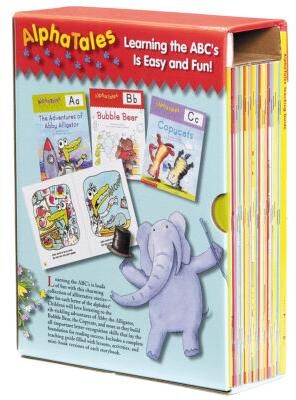
Scholastic Teaching Resources AlphaTales Box Set"A set of 26 irresistible animal storybooks that build phonemic awareness and teach each letter of the alphabet. Box set includes:- 26 full-color, 16-page 8"" x 10"" storybooks- 128-page teaching guide with lessons and mini-book versions of each..."74,99 $*Shipping: 0,00 $Secure redirect to the provider


-
Which teaching degree would you like to study, primary school teaching or secondary school teaching?
I would like to study primary school teaching because I have a passion for working with young children and helping them develop foundational skills. I believe that the early years are crucial for shaping a child's attitude towards learning and education. Additionally, I enjoy the idea of teaching a wide range of subjects to primary school students and being able to make a positive impact on their lives at a young age. **
-
Which teaching degree do you want to study, elementary school teaching or secondary school teaching?
I want to study elementary school teaching. I am passionate about working with young children and helping them develop a strong foundation in their education. I believe that the early years are crucial for shaping a child's attitude towards learning and I want to be a part of that process. Additionally, I am drawn to the idea of teaching a variety of subjects to young students and helping them discover their interests and talents. **
-
What is the difference between action-oriented teaching, project-oriented teaching, and project-based teaching?
Action-oriented teaching focuses on engaging students in hands-on activities to apply knowledge and skills in real-world situations. Project-oriented teaching involves students working on a specific project to achieve a set goal or outcome, often incorporating multiple subjects or skills. Project-based teaching combines both action-oriented and project-oriented approaches, where students work on a project that is relevant to their interests and involves problem-solving, critical thinking, and collaboration. **
-
What happens after completing the teaching internship in teaching?
After completing a teaching internship, individuals may have the opportunity to apply for full-time teaching positions at schools or educational institutions. They may also receive feedback and evaluations from their supervising teachers, which can help them improve their teaching skills. Additionally, completing a teaching internship can provide valuable experience and networking opportunities that can help individuals advance their careers in the field of education. **

What is better: online teaching or in-person teaching?
The effectiveness of online teaching versus in-person teaching depends on various factors such as the subject matter, the learning style of the students, and the resources available. In-person teaching allows for more immediate feedback and interaction, which can be beneficial for certain subjects and students. On the other hand, online teaching offers flexibility and accessibility, making it easier for students to access resources and learn at their own pace. Ultimately, the best approach depends on the specific needs and preferences of the students and the nature of the subject being taught. **
What is teaching?
Teaching is the process of imparting knowledge, skills, and values to others. It involves guiding and facilitating learning through various methods such as lectures, discussions, demonstrations, and hands-on activities. A teacher plays a crucial role in shaping the intellectual, social, and emotional development of students. Effective teaching requires a deep understanding of the subject matter, the ability to engage students, and a commitment to fostering a positive and supportive learning environment. **
Top-Angebote
Products related to Crown-Outstanding-Teaching-Teaching:
-
Crown Outstanding Teaching Teaching Backwards A Practical Classroom Guide - Non Fiction - PaperbackTitle:. Outstanding Teaching: Teaching Backwards - A Practical Classroom Guide Overview:. Discover the proven methodology designed to elevate classroom performance and secure exceptional student outcomes with Outstanding Teaching: Teaching Backwards. This authoritative non-fiction paperback serves as an essential practical classroom guide, offering educators a structured pathway to mastery in their subject matter. By challenging traditional forward-planning habits, the book introduces a rigorous yet accessible framework where teachers begin with the end in mind, working systematically back from clear assessment criteria and desired learning goals. This strategic approach ensures every lesson is laser-focused on closing knowledge gaps and achieving measurable progress.. Beyond theoretical musings, Outstanding Teaching: Teaching Backwards prioritises real-world application within the modern educational landscape. Written to bridge the gap between educational theory and daily classroom reality, it equips practitioners with the tools necessary to dissect complex syllabi and construct high-impact revision cycles. It specifically targets the recurring issue of superficial lesson activities that entertain students but fail to embed deep knowledge. By utilising targeted question sets and deliberate recall routines, the guide highlights how backward planning creates stronger, more durable memories and drastically reduces unproductive downtime.. Ideal for both newly qualified teachers seeking immediate classroom confidence and seasoned professionals aiming to refine their practice, this guide dismantles the mystery behind outstanding pedagogy. Whether you are navigating complex curriculum demands or simply looking to instil consistent improvement across your teaching cohort, this resource delivers the blueprint for creating dynamic, effective, and results-driven learning environments that empower students to succeed. What Makes This Book Stand Out:. What truly distinguishes this pedagogical classic is its unwavering commitment to clarity and systematic lesson architecture. Many educational resources become bogged down in dense academic jargon or rely on anecdotal advice that lacks structural integrity. This book stands out by delivering a refreshingly straightforward framework that teachers can implement immediately. Its standout feature is the reverse-engineering model: instead of asking what activity makes the lesson fun, it forces educators to confront the harder but more crucial question regarding what students absolutely need to achieve, and what concrete evidence proves they have learned it. This paradigm shift fundamentally changes how instructors plan, differentiate, and assess their classes on a daily basis.. Furthermore, the book excels in providing concrete strategies for managing classroom dynamics, fostering a culture of rigour, and ensuring that no learner is left behind due to poor instructional alignment. The author weaves together...18,99 £*Shipping: 2,99 £Secure redirect to the provider
-
Crown The Teachers Guide To Sen With Classroom Strategies And Teaching Resources - Non Fiction - PaperbackTitle:. The Teachers Guide To Sen With Classroom Strategies And Teaching Resources Condition: New. Format: Paperback Overview:. Navigating special educational needs in the modern classroom requires more than good intentions; it demands structured, evidence-based approaches that fit seamlessly into daily lesson planning. This comprehensive non-fiction guide serves as an essential reference for educators seeking practical solutions to complex learning challenges. Covering everything from early identification markers and assessment frameworks to targeted intervention strategies, the text translates complex SEND policies into everyday classroom practice. The content is carefully structured to minimise preparation time while maximising student engagement, making it an invaluable asset for busy teaching staff. By addressing diverse learning profiles, including dyslexia, ADHD, autism spectrum conditions, and developmental delays, the book provides a unified framework that supports inclusive education without overwhelming the instructor. Each strategy is grounded in current pedagogical research and aligned with national curriculum expectations, ensuring compatibility with standard educational targets. Whether managing mild learning difficulties or coordinating support for more pronounced needs, this guide equips teachers with the technical knowledge and adaptive tools necessary to foster a truly accessible learning environment. The straightforward layout allows readers to locate relevant techniques quickly, turning theoretical concepts into immediate classroom actions that improve academic outcomes and reduce behavioural friction. What Makes This Book Stand Out:. Unlike theoretical textbooks that prioritise academic jargon over practical application, this volume places actionable classroom strategies at the forefront of every chapter. The inclusion of ready-to-adapt teaching resources means educators spend less time creating materials from scratch and more time observing student progress. Distinctive features include systematic differentiation templates, sensory-friendly activity modifications, and step-by-step behaviour management protocols designed specifically for neurodivergent learners. The guide also emphasises proactive rather than reactive support, helping teachers predict potential barriers before lessons begin. Clear visual organisation separates core instructional techniques from supplementary resource pages, allowing for rapid cross-referencing during parent-teacher meetings or staff consultations. Additionally, the text incorporates reflective prompts that encourage continuous improvement in teaching practice, aligning personal professional development directly with student success metrics. Who This Book Is Perfect For:. This resource is tailored for primary and secondary classroom teachers, higher level teaching assistants, special educational needs coordinators, and school leadership teams managing inclusion policies. Trainee educators...18,99 £*Shipping: 2,99 £Secure redirect to the provider
-
Crown Making Every Science Lesson Count - Principles To Support Great Science Teaching - Non Fiction - PaperbackTitle:. Making Every Science Lesson Count Format: Paperback. Subject: Non Fiction / Education / Science Teaching Overview:. Elevate your classroom practice with Making Every Science Lesson Count, the definitive guide tailored specifically for science educators committed to delivering high-impact instruction. Part of the acclaimed Making Every Lesson Count series, this paperback resource distils robust educational research into six essential principles designed to transform how science is taught and learned across primary and secondary settings. Written by experienced educator and Head of Science Ben Baker, the book bridges the gap between theory and daily classroom reality, offering clear, actionable strategies for every stage of lesson planning, delivery, and review. Whether you are preparing students for GCSE exams, fostering curiosity in early years, or nurturing the next generation of scientists, this book provides the structured framework needed to maximise student outcomes. The volume addresses the unique challenges of science education—such as managing practical work safely, scaffolding complex abstract concepts, developing inquiry skills, and building scientific literacy—ensuring that every lesson counts towards deep understanding. Perfect for busy professionals seeking immediate application, this book equips teachers with the tools to create engaging, inclusive, and rigorous science lessons that inspire confidence and achievement, making it an indispensable addition to any STEM department library. Furthermore, the guidance emphasises the importance of connecting scientific content to real-world contexts, helping students see the relevance of their studies beyond the syllabus and fostering a lasting appreciation for the subject matter. Readers will appreciate how the advice evolves through progressive examples, moving from foundational techniques to sophisticated adaptations that support diverse learner needs, thereby empowering staff to refine their methods dynamically and reflect best practices observed in top-performing schools. What Makes This Book Stand Out:. What distinguishes Making Every Science Lesson Count is its laser focus on the distinct demands of science education, setting it apart from generic teaching guides. Rather than offering broad advice, the book applies universal pedagogical principles directly to science contexts, such as contextualising abstract chemical reactions or modelling the scientific method during experiments. Each principle is unpacked thoroughly, providing concrete classroom ideas, practical tips, and reflection points that allow teachers to experiment with new techniques immediately. The structure ensures rapid accessibility; busy staff members can easily locate relevant sections during quick planning sessions or dive deeper during dedicated professional development time. The content champions active learning and intentional practice, addressing common pitfalls in science classes like over-reliance on...14,99 £*Shipping: 2,99 £Secure redirect to the provider
-
Crown Making Every Lesson Count Six Principles To Support Great Teaching And Learning - Non Fiction - PaperbackTitle:. Making Every Lesson Count: Six principles to support great teaching and learning. Format: Paperback. Overview:. Educators require structured, evidence-backed frameworks to drive consistent classroom success, and this volume delivers exactly that. Distilled from extensive field experience alongside robust educational research, the text systematically unpacks six foundational pillars of effective instruction. Instead of burying readers beneath abstract pedagogical theories, the authors present immediately deployable techniques centred on chunking knowledge, strategic questioning, live modelling, deliberate practice, metacognition, and targeted retrieval methods. School leaders and classroom practitioners alike gain a reliable reference manual designed to simplify daily planning while elevating student engagement. By breaking complex cognitive science principles into clear, sequential actions, the book bridges the frequent disconnect between university-level teaching modules and actual desk preparation. It equips instructors with the precise tools necessary to anticipate learning obstacles, intervene effectively during lessons, and sustain academic momentum across all curriculum areas. What Makes This Book Stand Out:. Unlike comprehensive educational manuals that prioritise broad institutional policy over tactical execution, this title thrives on its intense concentration of classroom-ready techniques. Each of the six core principles is divided into bite-sized sections featuring explicit step-by-step instructions that practitioners can adapt to varied subject specialisms. The authors deliberately avoid rigid prescription, advocating instead for flexible models that respect the nuance of diverse classrooms. Language throughout remains accessible yet academically sound, transforming intricate concepts like cognitive load and spaced repetition into practical daily routines. Its compact paperback construction ensures longevity across frequent shelf checks and seamless integration into staff training environments. This deliberate focus on implementable strategy distinguishes it from standard theoretical textbooks, positioning it firmly within the toolkit of results-driven educators. Who This Book Is Perfect For:. This carefully curated guide serves as an exceptional resource for active primary and secondary teachers eager to upgrade their instructional methodology without excessive administrative burdens. Early career educators benefit immensely from its structured breakdown of lesson mechanics, providing clarity during demanding placement periods. Seasoned professionals similarly find immense value in its evidence-based refresher on core pedagogical shifts, keeping their delivery aligned with contemporary assessment standards. Middle and senior leadership staff frequently adopt materials from this series to standardise departmental communication and improve internal mentoring processes. Trainee educators and university cohort students also...20,00 £*Shipping: 2,99 £Secure redirect to the provider
-
Is teaching without teaching the heart really a teaching of the spirit?
Teaching without teaching the heart is not a teaching of the spirit. The heart is the center of our emotions, empathy, and compassion, and without incorporating these elements into teaching, the spiritual aspect of learning is lost. True teaching of the spirit involves nurturing the whole person, including their emotional and moral development, and this cannot be achieved without teaching the heart. It is through connecting with the heart that students can truly engage with the material and develop a deeper understanding of themselves and the world around them. **
-
Should one learn teaching before teaching learning?
It is important to have a solid understanding of teaching methods and strategies before embarking on the journey of teaching others. Learning how to effectively communicate information, engage students, and assess their understanding are essential skills that can be acquired through formal education or training in teaching. By learning teaching techniques first, one can better support the learning process and create a more effective and engaging learning environment for their students. **
-
Which teaching degree would you like to study, primary school teaching or secondary school teaching?
I would like to study primary school teaching because I have a passion for working with young children and helping them develop foundational skills. I believe that the early years are crucial for shaping a child's attitude towards learning and education. Additionally, I enjoy the idea of teaching a wide range of subjects to primary school students and being able to make a positive impact on their lives at a young age. **
-
Which teaching degree do you want to study, elementary school teaching or secondary school teaching?
I want to study elementary school teaching. I am passionate about working with young children and helping them develop a strong foundation in their education. I believe that the early years are crucial for shaping a child's attitude towards learning and I want to be a part of that process. Additionally, I am drawn to the idea of teaching a variety of subjects to young students and helping them discover their interests and talents. **
Similar search terms for Crown-Outstanding-Teaching-Teaching
-
Uplift Treasures Natural Chalcopyrite Crystal Ore Stone Teaching Specimen Natural Chalcopyrite Crystal Ore Stone Teaching SpecimenProduct Description: Discover the beauty of natural minerals with this chalcopyrite crystal ore specimen. Known for its metallic golden shine and colorful iridescence, this unique stone is perfect for educational use, experiments, or as a striking...36,97 $*Shipping: 0,00 $Secure redirect to the provider
-
Scholastic Teaching Resources AlphaTales Box Set"A set of 26 irresistible animal storybooks that build phonemic awareness and teach each letter of the alphabet. Box set includes:- 26 full-color, 16-page 8"" x 10"" storybooks- 128-page teaching guide with lessons and mini-book versions of each..."74,99 $*Shipping: 0,00 $Secure redirect to the provider
-
Uplifted Finds 1 Set Teaching Tools Math Supplies Geometric Angle Display Tools 5pcsBring geometry concepts to life in the classroom or home study space with our 1 Set Teaching Tools Math Supplies Geometric Angle Display Tools. Engineered as an effective visual demonstration aid, this math teaching tool helps students easily grasp...39,97 $*Shipping: 0,00 $Secure redirect to the provider
-
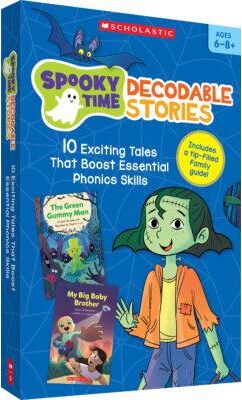
Scholastic Teaching Resources Spooky Time Decodable StoriesTime to take your child to the next level as a reader with this spooky set of humorous, highly decodable stories! Inside this box, you'll find 10 tales featuring 4-8 sentences per page and just-right text with words containing short and long vowels,...23,99 $*Shipping: 0,00 $Secure redirect to the provider
-
What is the difference between action-oriented teaching, project-oriented teaching, and project-based teaching?
Action-oriented teaching focuses on engaging students in hands-on activities to apply knowledge and skills in real-world situations. Project-oriented teaching involves students working on a specific project to achieve a set goal or outcome, often incorporating multiple subjects or skills. Project-based teaching combines both action-oriented and project-oriented approaches, where students work on a project that is relevant to their interests and involves problem-solving, critical thinking, and collaboration. **
-
What happens after completing the teaching internship in teaching?
After completing a teaching internship, individuals may have the opportunity to apply for full-time teaching positions at schools or educational institutions. They may also receive feedback and evaluations from their supervising teachers, which can help them improve their teaching skills. Additionally, completing a teaching internship can provide valuable experience and networking opportunities that can help individuals advance their careers in the field of education. **
-
What is better: online teaching or in-person teaching?
The effectiveness of online teaching versus in-person teaching depends on various factors such as the subject matter, the learning style of the students, and the resources available. In-person teaching allows for more immediate feedback and interaction, which can be beneficial for certain subjects and students. On the other hand, online teaching offers flexibility and accessibility, making it easier for students to access resources and learn at their own pace. Ultimately, the best approach depends on the specific needs and preferences of the students and the nature of the subject being taught. **
-
What is teaching?
Teaching is the process of imparting knowledge, skills, and values to others. It involves guiding and facilitating learning through various methods such as lectures, discussions, demonstrations, and hands-on activities. A teacher plays a crucial role in shaping the intellectual, social, and emotional development of students. Effective teaching requires a deep understanding of the subject matter, the ability to engage students, and a commitment to fostering a positive and supportive learning environment. **
* All prices are inclusive of VAT and, if applicable, plus shipping costs. The offer information is based on the details provided by the respective shop and is updated through automated processes. Real-time updates do not occur, so deviations can occur in individual cases. ** Note: Parts of this content were created by AI.