Buy baugeschaeft.eu ?
We are moving the project
baugeschaeft.eu .
Are you interested in purchasing the domain
baugeschaeft.eu ?
domain@kv-gmbh.de · 0541-91531010
Buy baugeschaeft.eu ?
'Will + participle 2?'
"Will + participle 2" is a construction used to form the future perfect tense in English. It is used to indicate an action that will be completed before a specific point in the future. This construction is formed by using the auxiliary verb "will" followed by the past participle of the main verb. For example, "By the time you arrive, I will have finished my homework." **
What are the Latin forms of the present participle, perfect passive participle, and future active participle?
The Latin present participle is formed by adding -ns, -ntis to the present stem of the verb. For example, the present participle of the verb "amo" (I love) is "amans, amantis" (loving). The perfect passive participle is formed by adding -us, -a, -um to the verb stem. For example, the perfect passive participle of the verb "amo" is "amatus, amata, amatum" (loved). The future active participle is formed by adding -urus, -ura, -urum to the verb stem. For example, the future active participle of the verb "amo" is "amaturus, amatura, amaturum" (about to love). **


Similar search terms for Participle
Top-Angebote
Products related to Participle:
-
Silver Stone Store Manual Toy Building Blocks Assembly, Green Racing Building Block Toys, ABS Materials, Desktop Home Furnishings Manual Toy Building Blocks Assembly, Green Racing Building Block Toys, ABS Materials, Desktop Home FurnishingsDiscover endless creativity and fun with 1322 pcs Green Racing Building Block Toys, designed to entertain and inspire builders of all ages. Crafted from durable ABS Materials, these blocks offer a safe and highquality building experience while...79,97 $*Shipping: 0,00 $Secure redirect to the provider
-
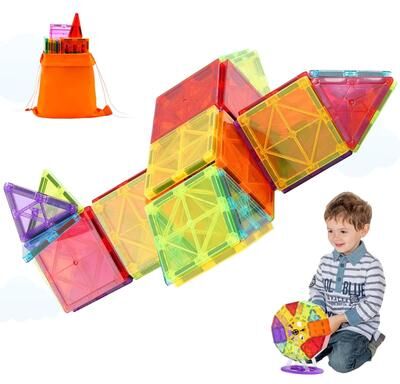
Uplifted Finds 121PCS Magnetic Building Blocks Set Montessori Construction Puzzle Tiles 121PCS Magnetic Building Blocks Set Montessori Construction Puzzle TilesCommand ultimate pediatric confidence with the MagnetoKinetic Structural System, a highperformance architectural solution specifically engineered to act as a comprehensive tool for elite organization and superior technical ergonomics. Built with a...146,97 $*Shipping: 0,00 $Secure redirect to the provider
-
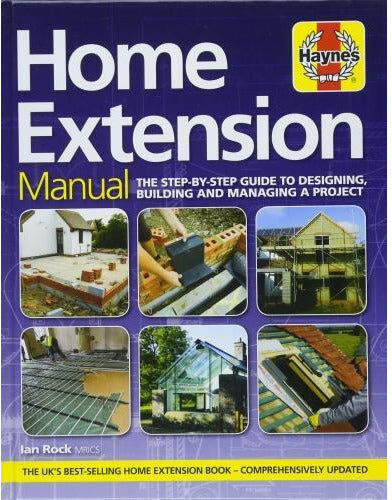
J H Haynes & Co Ltd Home Extension Manual – Step-by-Step Guide to Planning, Building & Managing Your Home Renovation Project DIY & Construction HandbookMany people are looking at ways to extend their homes rather than move house; but getting the builders in can be a recipe for disaster unless you really know what you are doing. Whether you plan to employ a building contractor or tackle some of the works yourself; this best-selling manual will show you how to stay firmly in control; resulting in a high-quality extension; completed on time and within budget. This new edition will include all the up-do-date information on complying with the latest Building Regs and Planning requirements; CAD design; energy-efficiency; under floor heating; bi-folds; liquid screeds; woodburning stoves and renewable energy. tags;home extension manual13,40 £*Shipping: 2,99 £Secure redirect to the provider
-
Inspire Daily Merch Green Racing Building Block Toys ABS Materials Manual Toy Assembly For Home Office Decor Green Racing Building Block Toys ABS Materials Manual Toy Assembly For Home Office DecorUnleash Your Creativity with 1690 Pieces Green Racing Building Block Toys Transform any space with these 1690 pieces green racing building block toys. Made from highquality ABS materials, this set allows you to build intricate designs and add a...59,97 $*Shipping: 0,00 $Secure redirect to the provider


-
What is a participle?
A participle is a form of a verb that can function as an adjective or be part of a verb phrase. There are two types of participles in English: the present participle, which ends in -ing (e.g. "walking"), and the past participle, which can end in -ed, -en, -d, -t, -n, or -ne (e.g. "broken"). Participles are used to modify nouns or pronouns, and they can also be used to form verb tenses such as the present perfect or past perfect. **
-
What are participle clauses?
Participle clauses are a type of clause that uses a present participle (-ing form) or a past participle (-ed form) to provide additional information about the subject of the main clause. They can be used to show simultaneous actions, cause and effect, or to provide descriptive details. For example, in the sentence "Feeling tired, she decided to go to bed," the participle clause "Feeling tired" provides additional information about the subject "she." **
-
Is the transformation of the sentence into a participle construction correct?
Without knowing the specific sentence or participle construction in question, it is difficult to determine if the transformation is correct. However, in general, transforming a sentence into a participle construction involves changing the main verb into a present or past participle form and adjusting the sentence structure accordingly. It is important to ensure that the meaning and tense of the original sentence are preserved in the participle construction. Additionally, the participle construction should be used appropriately within the context of the overall sentence and paragraph. **
-
What is the difference between the past participle and the present participle?
The past participle is a verb form used to indicate a completed action or state that occurred in the past. It is often used with auxiliary verbs to form the perfect tenses (e.g., "has eaten," "had gone"). The present participle, on the other hand, is a verb form used to indicate an ongoing action or state in the present or future. It is formed by adding "-ing" to the base form of the verb and is used to create the progressive tenses (e.g., "is eating," "will be going"). **


How can the terms premature, simultaneous, and subsequent be explained in relation to past participle, present participle, and future participle?
The terms premature, simultaneous, and subsequent can be explained in relation to past participle, present participle, and future participle based on their timing in relation to the action of the verb. The past participle refers to an action that has already been completed, making it premature in relation to the present moment. The present participle refers to an action that is happening at the same time as something else, making it simultaneous. The future participle refers to an action that will happen at a later time, making it subsequent to the present moment. These terms help to clarify the timing of the action in relation to the verb. **
What tools, materials, and equipment do teachers work with?
Teachers work with a variety of tools, materials, and equipment in their daily work. Some common tools include whiteboards, markers, and projectors for delivering lessons. Materials such as textbooks, worksheets, and manipulatives are used to support student learning. Equipment like computers, printers, and audio-visual devices are also essential for creating engaging lessons and activities. Overall, teachers rely on a combination of traditional and modern tools to effectively educate their students. **
Top-Angebote
Products related to Participle:
-
Tools, Home & Hobby Magnetic Building Blocks 100 PCS Zombie Cemetery Set STEM Construction Toy For Kids Magnetic Building Blocks 100 PCS Zombie Cemetery Set STEM Construction Toy For KidsBring imagination to life with a fun building experience that inspires creativity, learning, and endless storytelling. The VEVOR Magnetic Building Blocks 100 PCS Zombie Cemetery Set is designed for kids who love creating unique structures,...59,97 $*Shipping: 0,00 $Secure redirect to the provider
-
Tools, Home & Hobby Glow In The Dark Fort Building Kit For Kids 140PCS STEM Construction Toy Glow In The Dark Fort Building Kit For Kids 140PCS STEM Construction ToySpark your childs imagination with a fort building kit for kids designed to turn everyday playtime into a creative adventure. This 140piece STEM construction toy includes colorful rods and connecting balls that let children build forts, tents,...99,97 $*Shipping: 0,00 $Secure redirect to the provider
-
Silver Stone Store Manual Toy Building Blocks Assembly, Green Racing Building Block Toys, ABS Materials, Desktop Home Furnishings Manual Toy Building Blocks Assembly, Green Racing Building Block Toys, ABS Materials, Desktop Home FurnishingsDiscover endless creativity and fun with 1322 pcs Green Racing Building Block Toys, designed to entertain and inspire builders of all ages. Crafted from durable ABS Materials, these blocks offer a safe and highquality building experience while...79,97 $*Shipping: 0,00 $Secure redirect to the provider
-
Uplifted Finds 121PCS Magnetic Building Blocks Set Montessori Construction Puzzle Tiles 121PCS Magnetic Building Blocks Set Montessori Construction Puzzle TilesCommand ultimate pediatric confidence with the MagnetoKinetic Structural System, a highperformance architectural solution specifically engineered to act as a comprehensive tool for elite organization and superior technical ergonomics. Built with a...146,97 $*Shipping: 0,00 $Secure redirect to the provider
-
'Will + participle 2?'
"Will + participle 2" is a construction used to form the future perfect tense in English. It is used to indicate an action that will be completed before a specific point in the future. This construction is formed by using the auxiliary verb "will" followed by the past participle of the main verb. For example, "By the time you arrive, I will have finished my homework." **
-
What are the Latin forms of the present participle, perfect passive participle, and future active participle?
The Latin present participle is formed by adding -ns, -ntis to the present stem of the verb. For example, the present participle of the verb "amo" (I love) is "amans, amantis" (loving). The perfect passive participle is formed by adding -us, -a, -um to the verb stem. For example, the perfect passive participle of the verb "amo" is "amatus, amata, amatum" (loved). The future active participle is formed by adding -urus, -ura, -urum to the verb stem. For example, the future active participle of the verb "amo" is "amaturus, amatura, amaturum" (about to love). **
-
What is a participle?
A participle is a form of a verb that can function as an adjective or be part of a verb phrase. There are two types of participles in English: the present participle, which ends in -ing (e.g. "walking"), and the past participle, which can end in -ed, -en, -d, -t, -n, or -ne (e.g. "broken"). Participles are used to modify nouns or pronouns, and they can also be used to form verb tenses such as the present perfect or past perfect. **
-
What are participle clauses?
Participle clauses are a type of clause that uses a present participle (-ing form) or a past participle (-ed form) to provide additional information about the subject of the main clause. They can be used to show simultaneous actions, cause and effect, or to provide descriptive details. For example, in the sentence "Feeling tired, she decided to go to bed," the participle clause "Feeling tired" provides additional information about the subject "she." **
Similar search terms for Participle
-
J H Haynes & Co Ltd Home Extension Manual – Step-by-Step Guide to Planning, Building & Managing Your Home Renovation Project DIY & Construction HandbookMany people are looking at ways to extend their homes rather than move house; but getting the builders in can be a recipe for disaster unless you really know what you are doing. Whether you plan to employ a building contractor or tackle some of the works yourself; this best-selling manual will show you how to stay firmly in control; resulting in a high-quality extension; completed on time and within budget. This new edition will include all the up-do-date information on complying with the latest Building Regs and Planning requirements; CAD design; energy-efficiency; under floor heating; bi-folds; liquid screeds; woodburning stoves and renewable energy. tags;home extension manual13,40 £*Shipping: 2,99 £Secure redirect to the provider
-
Inspire Daily Merch Green Racing Building Block Toys ABS Materials Manual Toy Assembly For Home Office Decor Green Racing Building Block Toys ABS Materials Manual Toy Assembly For Home Office DecorUnleash Your Creativity with 1690 Pieces Green Racing Building Block Toys Transform any space with these 1690 pieces green racing building block toys. Made from highquality ABS materials, this set allows you to build intricate designs and add a...59,97 $*Shipping: 0,00 $Secure redirect to the provider
-
Market Central Space Station Building Blocks Transparent Globe STEM Construction Toy For Kids Space Station Building Blocks Transparent Globe STEM Construction Toy For KidsBuild a miniature world of exploration with space station building blocks designed to turn handson play into an exciting creative challenge. This futuristic transparent globe building set lets young builders assemble a detailed orbital station that...129,97 $*Shipping: 0,00 $Secure redirect to the provider
-
Market Central Transparent Globe Space Station Building Blocks STEM Construction Toy For Kids Transparent Globe Space Station Building Blocks STEM Construction Toy For KidsTurn building time into an exciting journey through space with these space station building blocks. This futuristic transparent globe building set lets young builders create a detailed orbital station that can be viewed from multiple angles. Its...159,97 $*Shipping: 0,00 $Secure redirect to the provider
-
Is the transformation of the sentence into a participle construction correct?
Without knowing the specific sentence or participle construction in question, it is difficult to determine if the transformation is correct. However, in general, transforming a sentence into a participle construction involves changing the main verb into a present or past participle form and adjusting the sentence structure accordingly. It is important to ensure that the meaning and tense of the original sentence are preserved in the participle construction. Additionally, the participle construction should be used appropriately within the context of the overall sentence and paragraph. **
-
What is the difference between the past participle and the present participle?
The past participle is a verb form used to indicate a completed action or state that occurred in the past. It is often used with auxiliary verbs to form the perfect tenses (e.g., "has eaten," "had gone"). The present participle, on the other hand, is a verb form used to indicate an ongoing action or state in the present or future. It is formed by adding "-ing" to the base form of the verb and is used to create the progressive tenses (e.g., "is eating," "will be going"). **
-
How can the terms premature, simultaneous, and subsequent be explained in relation to past participle, present participle, and future participle?
The terms premature, simultaneous, and subsequent can be explained in relation to past participle, present participle, and future participle based on their timing in relation to the action of the verb. The past participle refers to an action that has already been completed, making it premature in relation to the present moment. The present participle refers to an action that is happening at the same time as something else, making it simultaneous. The future participle refers to an action that will happen at a later time, making it subsequent to the present moment. These terms help to clarify the timing of the action in relation to the verb. **
-
What tools, materials, and equipment do teachers work with?
Teachers work with a variety of tools, materials, and equipment in their daily work. Some common tools include whiteboards, markers, and projectors for delivering lessons. Materials such as textbooks, worksheets, and manipulatives are used to support student learning. Equipment like computers, printers, and audio-visual devices are also essential for creating engaging lessons and activities. Overall, teachers rely on a combination of traditional and modern tools to effectively educate their students. **
* All prices are inclusive of VAT and, if applicable, plus shipping costs. The offer information is based on the details provided by the respective shop and is updated through automated processes. Real-time updates do not occur, so deviations can occur in individual cases. ** Note: Parts of this content were created by AI.