Buy baugeschaeft.eu ?
We are moving the project
baugeschaeft.eu .
Are you interested in purchasing the domain
baugeschaeft.eu ?
domain@kv-gmbh.de · 0541-91531010
Buy baugeschaeft.eu ?
How do I calculate refraction or the angle of refraction?
To calculate refraction or the angle of refraction, you can use Snell's Law, which relates the angles of incidence and refraction to the refractive indices of the two mediums involved. The formula is n1*sin(theta1) = n2*sin(theta2), where n1 and n2 are the refractive indices of the two mediums, and theta1 and theta2 are the angles of incidence and refraction, respectively. By rearranging this formula, you can solve for the angle of refraction when given the angle of incidence and refractive indices of the mediums. **
How do I calculate the refraction or the angle of refraction?
To calculate the angle of refraction, you can use Snell's Law, which states that the ratio of the sine of the angle of incidence to the sine of the angle of refraction is equal to the ratio of the velocities of light in the two different mediums. Mathematically, this can be expressed as n1*sin(theta1) = n2*sin(theta2), where n1 and n2 are the refractive indices of the two mediums, and theta1 and theta2 are the angles of incidence and refraction, respectively. By rearranging this equation, you can solve for the angle of refraction. **

Similar search terms for Refraction
Top-Angebote
Products related to Refraction:
-
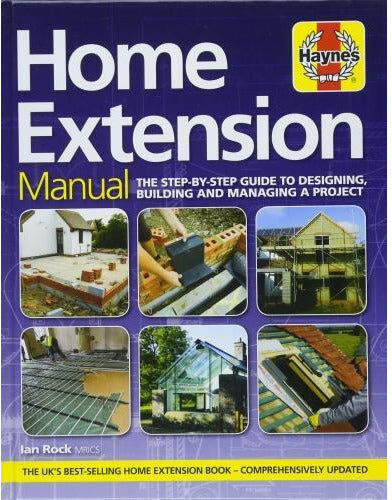
J H Haynes & Co Ltd Home Extension Manual – Step-by-Step Guide to Planning, Building & Managing Your Home Renovation Project DIY & Construction HandbookMany people are looking at ways to extend their homes rather than move house; but getting the builders in can be a recipe for disaster unless you really know what you are doing. Whether you plan to employ a building contractor or tackle some of the works yourself; this best-selling manual will show you how to stay firmly in control; resulting in a high-quality extension; completed on time and within budget. This new edition will include all the up-do-date information on complying with the latest Building Regs and Planning requirements; CAD design; energy-efficiency; under floor heating; bi-folds; liquid screeds; woodburning stoves and renewable energy. tags;home extension manual13,40 £*Shipping: 2,99 £Secure redirect to the provider
-
JoyToys 100PCS Large Building Blocks Educational Construction Set For Creative STEM Learning 100PCS Large Building Blocks Educational Construction Set For Creative STEM LearningSpark your child's imagination while building essential learning skills through creative play. These kids building blocks are designed for little hands, making stacking, connecting, and building simple, safe, and fun. With 100 colorful pieces,...29,97 $*Shipping: 0,00 $Secure redirect to the provider
-
Templar Publishing Building Machines: The Interactive Guide to Construction MachinesThis book combines fact-filled spreads with an interactive building element. Colourful, humorous illustrations explain the mechanics behind each vehicle and their role on a construction site. Then, using a pegboard and over 50 pre-cut parts, budding young engineers can create mini models of these real machines - from bulldozers and dump trucks to cranes and road rollers.8,99 £*Shipping: 2,99 £Secure redirect to the provider
-
Uplift Picks 866PCS Mechanical Dragonfly Building Blocks STEM Construction Kit 01Bring imagination and engineering together with this detailed mechanical dragonfly building blocks set. Designed for curious minds, this STEM learning construction kit challenges kids and adults to build a stunning dragonfly model piece by piece....240,50 $*Shipping: 0,00 $Secure redirect to the provider



-
What is the angle of refraction in the refraction of light?
The angle of refraction in the refraction of light is the angle between the refracted ray and the normal to the surface at the point of incidence. It is determined by Snell's Law, which states that the ratio of the sine of the angle of incidence to the sine of the angle of refraction is equal to the ratio of the velocities of light in the two media. The angle of refraction can be calculated using the formula: n1*sin(θ1) = n2*sin(θ2), where n1 and n2 are the refractive indices of the two media, and θ1 and θ2 are the angles of incidence and refraction, respectively. **
-
What tools, materials, and equipment do teachers work with?
Teachers work with a variety of tools, materials, and equipment in their daily work. Some common tools include whiteboards, markers, and projectors for delivering lessons. Materials such as textbooks, worksheets, and manipulatives are used to support student learning. Equipment like computers, printers, and audio-visual devices are also essential for creating engaging lessons and activities. Overall, teachers rely on a combination of traditional and modern tools to effectively educate their students. **
-
What is the law of refraction?
The law of refraction, also known as Snell's law, describes the relationship between the angles of incidence and refraction when a wave, such as light or sound, passes from one medium to another. It states that the ratio of the sine of the angle of incidence to the sine of the angle of refraction is equal to the ratio of the velocities of the wave in the two media. In other words, the law of refraction quantifies how much a wave bends as it passes from one medium to another, such as from air to water or from air to glass. **
-
What is refraction in a prism?
Refraction in a prism is the bending of light as it passes through the prism due to the change in speed of light in different mediums. When light enters a prism, it slows down and bends towards the normal line, then as it exits the prism, it speeds up and bends away from the normal line. This bending of light causes the different colors of the spectrum to separate and create a rainbow effect. **
What building materials or construction is this?
This is a traditional Japanese building constructed using wood and paper. The wooden framework is typically made from cedar or cypress, and the walls are often made from paper screens called shoji. The roof is usually made from thatched straw or ceramic tiles. This type of construction allows for flexibility and natural ventilation, and is well-suited to Japan's climate and seismic activity. **
With which work tools, materials, and equipment do teachers work?
Teachers work with a variety of tools, materials, and equipment in their daily tasks. Some common tools include computers, projectors, whiteboards, and pens. Materials can range from textbooks and worksheets to art supplies and science equipment. Additionally, teachers may use equipment such as printers, laminators, and document cameras to enhance their teaching methods and create engaging learning experiences for students. **
Top-Angebote
Products related to Refraction:
-
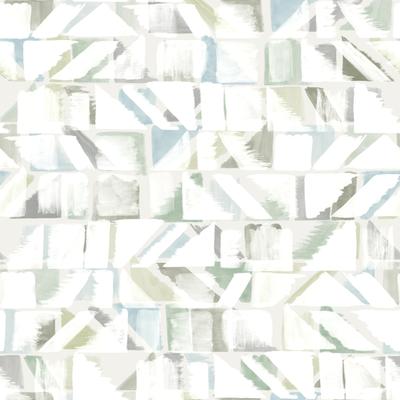
York Wallcoverings Blue Refraction Peel and Stick WallpaperPattern Refraction is a fractured geometric with the effect of a broken prism of reflected light. This Refraction Peel & Stick Wallpaper measures approximately 20.5 inches wide by 20 feet long, covering About 34.2 square feet per roll.55,25 $*Shipping: 0,00 $Secure redirect to the provider
-
Everyday Crate Heavy Duty Copper Tire Valve Stem For Construction Equipment & Agricultural Vehicles Heavy Duty Copper Tire Valve Stem For Construction Equipment & Agricultural VehiclesFeeling confident in your equipment starts with the smallest details. Designed for demanding work environments, this Heavy Duty Tire Valve Stem helps maintain reliable tire pressure and secure sealing for heavy machinery. Built from highstrength...34,97 $*Shipping: 0,00 $Secure redirect to the provider
-
J H Haynes & Co Ltd Home Extension Manual – Step-by-Step Guide to Planning, Building & Managing Your Home Renovation Project DIY & Construction HandbookMany people are looking at ways to extend their homes rather than move house; but getting the builders in can be a recipe for disaster unless you really know what you are doing. Whether you plan to employ a building contractor or tackle some of the works yourself; this best-selling manual will show you how to stay firmly in control; resulting in a high-quality extension; completed on time and within budget. This new edition will include all the up-do-date information on complying with the latest Building Regs and Planning requirements; CAD design; energy-efficiency; under floor heating; bi-folds; liquid screeds; woodburning stoves and renewable energy. tags;home extension manual13,40 £*Shipping: 2,99 £Secure redirect to the provider
-
JoyToys 100PCS Large Building Blocks Educational Construction Set For Creative STEM Learning 100PCS Large Building Blocks Educational Construction Set For Creative STEM LearningSpark your child's imagination while building essential learning skills through creative play. These kids building blocks are designed for little hands, making stacking, connecting, and building simple, safe, and fun. With 100 colorful pieces,...29,97 $*Shipping: 0,00 $Secure redirect to the provider
-
How do I calculate refraction or the angle of refraction?
To calculate refraction or the angle of refraction, you can use Snell's Law, which relates the angles of incidence and refraction to the refractive indices of the two mediums involved. The formula is n1*sin(theta1) = n2*sin(theta2), where n1 and n2 are the refractive indices of the two mediums, and theta1 and theta2 are the angles of incidence and refraction, respectively. By rearranging this formula, you can solve for the angle of refraction when given the angle of incidence and refractive indices of the mediums. **
-
How do I calculate the refraction or the angle of refraction?
To calculate the angle of refraction, you can use Snell's Law, which states that the ratio of the sine of the angle of incidence to the sine of the angle of refraction is equal to the ratio of the velocities of light in the two different mediums. Mathematically, this can be expressed as n1*sin(theta1) = n2*sin(theta2), where n1 and n2 are the refractive indices of the two mediums, and theta1 and theta2 are the angles of incidence and refraction, respectively. By rearranging this equation, you can solve for the angle of refraction. **
-
What is the angle of refraction in the refraction of light?
The angle of refraction in the refraction of light is the angle between the refracted ray and the normal to the surface at the point of incidence. It is determined by Snell's Law, which states that the ratio of the sine of the angle of incidence to the sine of the angle of refraction is equal to the ratio of the velocities of light in the two media. The angle of refraction can be calculated using the formula: n1*sin(θ1) = n2*sin(θ2), where n1 and n2 are the refractive indices of the two media, and θ1 and θ2 are the angles of incidence and refraction, respectively. **
-
What tools, materials, and equipment do teachers work with?
Teachers work with a variety of tools, materials, and equipment in their daily work. Some common tools include whiteboards, markers, and projectors for delivering lessons. Materials such as textbooks, worksheets, and manipulatives are used to support student learning. Equipment like computers, printers, and audio-visual devices are also essential for creating engaging lessons and activities. Overall, teachers rely on a combination of traditional and modern tools to effectively educate their students. **
Similar search terms for Refraction
-
Templar Publishing Building Machines: The Interactive Guide to Construction MachinesThis book combines fact-filled spreads with an interactive building element. Colourful, humorous illustrations explain the mechanics behind each vehicle and their role on a construction site. Then, using a pegboard and over 50 pre-cut parts, budding young engineers can create mini models of these real machines - from bulldozers and dump trucks to cranes and road rollers.8,99 £*Shipping: 2,99 £Secure redirect to the provider
-
Uplift Picks 866PCS Mechanical Dragonfly Building Blocks STEM Construction Kit 01Bring imagination and engineering together with this detailed mechanical dragonfly building blocks set. Designed for curious minds, this STEM learning construction kit challenges kids and adults to build a stunning dragonfly model piece by piece....240,50 $*Shipping: 0,00 $Secure redirect to the provider
-
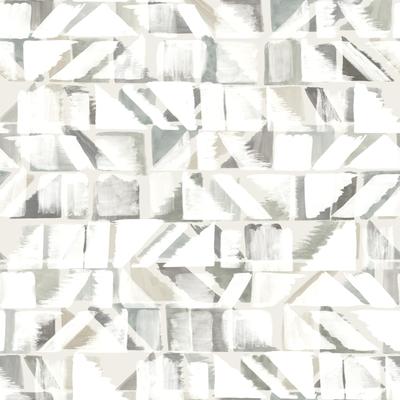
York Wallcoverings Neutral Refraction Peel and Stick WallpaperPattern Refraction is a fractured geometric with the effect of a broken prism of reflected light. This Refraction Peel & Stick Wallpaper measures approximately 20.5 inches wide by 20 feet long, covering About 34.2 square feet per roll.55,25 $*Shipping: 0,00 $Secure redirect to the provider
-
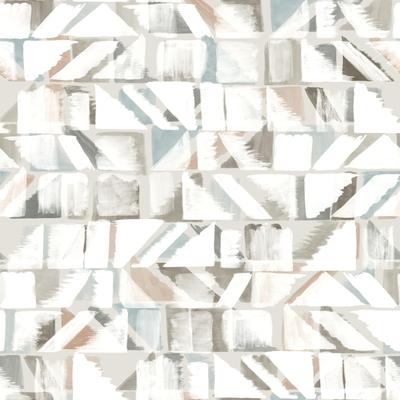
York Wallcoverings Brown and Beige Refraction Peel and Stick WallpaperPattern Refraction is a fractured geometric with the effect of a broken prism of reflected light. This Refraction Peel & Stick Wallpaper measures approximately 20.5 inches wide by 20 feet long, covering About 34.2 square feet per roll.55,25 $*Shipping: 0,00 $Secure redirect to the provider
-
What is the law of refraction?
The law of refraction, also known as Snell's law, describes the relationship between the angles of incidence and refraction when a wave, such as light or sound, passes from one medium to another. It states that the ratio of the sine of the angle of incidence to the sine of the angle of refraction is equal to the ratio of the velocities of the wave in the two media. In other words, the law of refraction quantifies how much a wave bends as it passes from one medium to another, such as from air to water or from air to glass. **
-
What is refraction in a prism?
Refraction in a prism is the bending of light as it passes through the prism due to the change in speed of light in different mediums. When light enters a prism, it slows down and bends towards the normal line, then as it exits the prism, it speeds up and bends away from the normal line. This bending of light causes the different colors of the spectrum to separate and create a rainbow effect. **
-
What building materials or construction is this?
This is a traditional Japanese building constructed using wood and paper. The wooden framework is typically made from cedar or cypress, and the walls are often made from paper screens called shoji. The roof is usually made from thatched straw or ceramic tiles. This type of construction allows for flexibility and natural ventilation, and is well-suited to Japan's climate and seismic activity. **
-
With which work tools, materials, and equipment do teachers work?
Teachers work with a variety of tools, materials, and equipment in their daily tasks. Some common tools include computers, projectors, whiteboards, and pens. Materials can range from textbooks and worksheets to art supplies and science equipment. Additionally, teachers may use equipment such as printers, laminators, and document cameras to enhance their teaching methods and create engaging learning experiences for students. **
* All prices are inclusive of VAT and, if applicable, plus shipping costs. The offer information is based on the details provided by the respective shop and is updated through automated processes. Real-time updates do not occur, so deviations can occur in individual cases. ** Note: Parts of this content were created by AI.