Buy baugeschaeft.eu ?
We are moving the project
baugeschaeft.eu .
Are you interested in purchasing the domain
baugeschaeft.eu ?
domain@kv-gmbh.de · 0541-91531010
Buy baugeschaeft.eu ?
What is the difference between resources and raw materials?
Resources refer to any source or supply from which a benefit is produced, such as natural resources, human resources, or financial resources. Raw materials, on the other hand, are the basic materials used in the production of goods or services. While raw materials are a type of resource, not all resources are raw materials. Resources encompass a broader range of inputs, including labor, capital, technology, and information, while raw materials specifically refer to the unprocessed materials used in manufacturing or production processes. **
Are renewable resources the same as sustainable resources?
Renewable resources and sustainable resources are related concepts but not exactly the same. Renewable resources are those that can be replenished naturally over time, such as sunlight, wind, and water. Sustainable resources, on the other hand, refer to resources that are managed in a way that meets current needs without compromising the ability of future generations to meet their own needs. While renewable resources are often considered sustainable, not all sustainable resources are necessarily renewable, as some non-renewable resources can be managed in a way that ensures their long-term availability. **


Similar search terms for Scholastic-Teaching-Resources-Little
Top-Angebote
Products related to Scholastic-Teaching-Resources-Little:
-
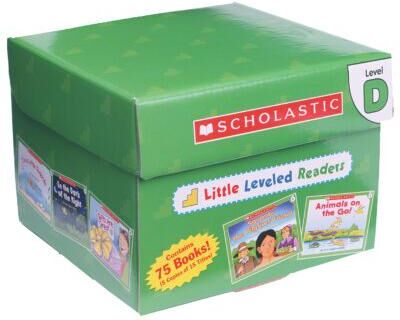
Scholastic Teaching Resources Little Leveled Readers: Level D Box SetA step-by-step, book-by-book program that guides children through the early stages of reading. Each book, carefully evaluated by a reading specialist to correlate with the Guided Reading Levels, is leveled to address the early stages of a child's...36,99 $*Shipping: 0,00 $Secure redirect to the provider
-
Scholastic Teaching Resources First Little Comics Parent Pack: Levels A & BJumpstart your child's reading success with comics! Kids will love these laugh-out-loud books with very easy text in speech balloons. They'll also adore the zany cast of characters: monsters, owls, pigs, talking pumpkins, mice, magic fairies, and...23,99 $*Shipping: 0,00 $Secure redirect to the provider
-
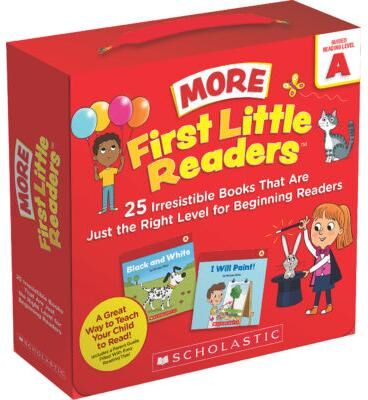
Scholastic Teaching Resources First Little Readers: MORE Guided Reading Level AIf you liked our bestselling First Little Readers Level A, you'll LOVE this brand-new set of adorable stories! Inside the little box, you'll find 25 kid-pleasing titles plus a tip-filled parent guide. Each book features simple text paired with...21,59 $*Shipping: 0,00 $Secure redirect to the provider
-
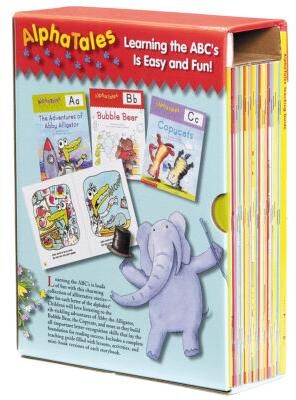
Scholastic Teaching Resources AlphaTales Box Set"A set of 26 irresistible animal storybooks that build phonemic awareness and teach each letter of the alphabet. Box set includes:- 26 full-color, 16-page 8"" x 10"" storybooks- 128-page teaching guide with lessons and mini-book versions of each..."74,99 $*Shipping: 0,00 $Secure redirect to the provider

-
What is the difference between raw materials and natural resources?
Raw materials are the basic materials used to produce goods, such as wood, metal, or cotton. Natural resources, on the other hand, are the naturally occurring materials that can be used for economic gain, such as water, air, minerals, and energy sources. While raw materials are a subset of natural resources, not all natural resources are necessarily raw materials, as some may require processing before they can be used in production. **
-
What is the difference between operating resources and operating materials?
Operating resources are the assets used by a company to carry out its day-to-day operations, such as machinery, equipment, and vehicles. On the other hand, operating materials are the consumable items used in the production process, such as raw materials, components, and supplies. While operating resources are more long-term assets that help in the production process, operating materials are used up in the production process and need to be replenished regularly. **
-
Is teaching more meaningful when one has little motivation for school?
Teaching can still be meaningful even if one has little motivation for school. A lack of personal motivation does not necessarily equate to a lack of passion for helping others learn and grow. Many teachers find fulfillment in making a positive impact on their students' lives, regardless of their own past experiences with school. Additionally, having experienced a lack of motivation oneself can make a teacher more empathetic and understanding towards students who may be struggling with similar issues. Ultimately, a teacher's passion for education and their desire to make a difference in their students' lives can still drive meaningful teaching, even if their personal motivation for school was limited. **
-
What tools, materials, and equipment do teachers work with?
Teachers work with a variety of tools, materials, and equipment in their daily work. Some common tools include whiteboards, markers, and projectors for delivering lessons. Materials such as textbooks, worksheets, and manipulatives are used to support student learning. Equipment like computers, printers, and audio-visual devices are also essential for creating engaging lessons and activities. Overall, teachers rely on a combination of traditional and modern tools to effectively educate their students. **
What are teaching materials when one is sick?
When a teacher is sick, teaching materials may include lesson plans, worksheets, and instructional videos that can be easily accessed and utilized by substitute teachers or students working independently. These materials should be clearly organized and labeled to ensure that the learning objectives are still being met in the teacher's absence. Additionally, communication with the substitute teacher and students about where to find these materials and how to use them effectively is crucial to maintaining continuity in the learning process. **
What building materials or construction is this?
This is a traditional Japanese building constructed using wood and paper. The wooden framework is typically made from cedar or cypress, and the walls are often made from paper screens called shoji. The roof is usually made from thatched straw or ceramic tiles. This type of construction allows for flexibility and natural ventilation, and is well-suited to Japan's climate and seismic activity. **
Top-Angebote
Products related to Scholastic-Teaching-Resources-Little:
-
Scholastic Teaching Resources Phonics First Little Readers (Parent Pack)Set your child on the road to reading success with this library of adorable, illustrated mini books. The fun, easy-to-read stories in this collection give your child practice with must-know phonics skills, such as short vowels, long vowels,...21,59 $*Shipping: 0,00 $Secure redirect to the provider
-
Scholastic Teaching Resources Little Leveled Readers: Level D Box SetA step-by-step, book-by-book program that guides children through the early stages of reading. Each book, carefully evaluated by a reading specialist to correlate with the Guided Reading Levels, is leveled to address the early stages of a child's...36,99 $*Shipping: 0,00 $Secure redirect to the provider
-
Scholastic Teaching Resources First Little Comics Parent Pack: Levels A & BJumpstart your child's reading success with comics! Kids will love these laugh-out-loud books with very easy text in speech balloons. They'll also adore the zany cast of characters: monsters, owls, pigs, talking pumpkins, mice, magic fairies, and...23,99 $*Shipping: 0,00 $Secure redirect to the provider
-
What is the difference between resources and raw materials?
Resources refer to any source or supply from which a benefit is produced, such as natural resources, human resources, or financial resources. Raw materials, on the other hand, are the basic materials used in the production of goods or services. While raw materials are a type of resource, not all resources are raw materials. Resources encompass a broader range of inputs, including labor, capital, technology, and information, while raw materials specifically refer to the unprocessed materials used in manufacturing or production processes. **
-
Are renewable resources the same as sustainable resources?
Renewable resources and sustainable resources are related concepts but not exactly the same. Renewable resources are those that can be replenished naturally over time, such as sunlight, wind, and water. Sustainable resources, on the other hand, refer to resources that are managed in a way that meets current needs without compromising the ability of future generations to meet their own needs. While renewable resources are often considered sustainable, not all sustainable resources are necessarily renewable, as some non-renewable resources can be managed in a way that ensures their long-term availability. **
-
What is the difference between raw materials and natural resources?
Raw materials are the basic materials used to produce goods, such as wood, metal, or cotton. Natural resources, on the other hand, are the naturally occurring materials that can be used for economic gain, such as water, air, minerals, and energy sources. While raw materials are a subset of natural resources, not all natural resources are necessarily raw materials, as some may require processing before they can be used in production. **
-
What is the difference between operating resources and operating materials?
Operating resources are the assets used by a company to carry out its day-to-day operations, such as machinery, equipment, and vehicles. On the other hand, operating materials are the consumable items used in the production process, such as raw materials, components, and supplies. While operating resources are more long-term assets that help in the production process, operating materials are used up in the production process and need to be replenished regularly. **
Similar search terms for Scholastic-Teaching-Resources-Little
-
Scholastic Teaching Resources First Little Readers: MORE Guided Reading Level AIf you liked our bestselling First Little Readers Level A, you'll LOVE this brand-new set of adorable stories! Inside the little box, you'll find 25 kid-pleasing titles plus a tip-filled parent guide. Each book features simple text paired with...21,59 $*Shipping: 0,00 $Secure redirect to the provider
-
Scholastic Teaching Resources AlphaTales Box Set"A set of 26 irresistible animal storybooks that build phonemic awareness and teach each letter of the alphabet. Box set includes:- 26 full-color, 16-page 8"" x 10"" storybooks- 128-page teaching guide with lessons and mini-book versions of each..."74,99 $*Shipping: 0,00 $Secure redirect to the provider
-
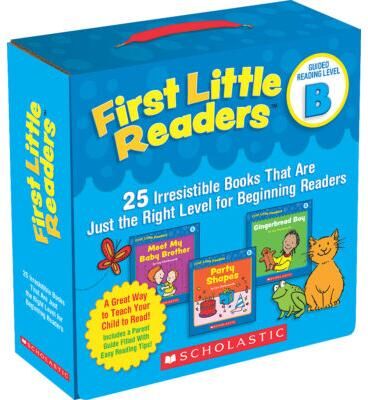
Scholastic Teaching Resources First Little Readers Parent Pack: Guided Reading Level BDesigned to motivate budding readers, these super-engaging storybooks feature simple text, decodable words, and strong picture cues. Each set comes with a tip-filled guide to help parents support their little learners! First Little Readers Parent...23,99 $*Shipping: 0,00 $Secure redirect to the provider
-
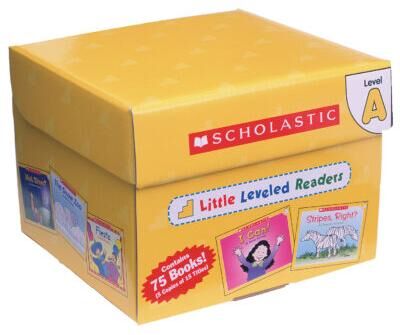
Scholastic Teaching Resources Little Leveled Readers: Level A Box SetA step-by-step, book-by-book program that guides children through the early stages of reading. Each book, carefully evaluated by a reading specialist to correlate with the Guided Reading Levels, is leveled to address the early stages of a child's...36,99 $*Shipping: 0,00 $Secure redirect to the provider
-
Is teaching more meaningful when one has little motivation for school?
Teaching can still be meaningful even if one has little motivation for school. A lack of personal motivation does not necessarily equate to a lack of passion for helping others learn and grow. Many teachers find fulfillment in making a positive impact on their students' lives, regardless of their own past experiences with school. Additionally, having experienced a lack of motivation oneself can make a teacher more empathetic and understanding towards students who may be struggling with similar issues. Ultimately, a teacher's passion for education and their desire to make a difference in their students' lives can still drive meaningful teaching, even if their personal motivation for school was limited. **
-
What tools, materials, and equipment do teachers work with?
Teachers work with a variety of tools, materials, and equipment in their daily work. Some common tools include whiteboards, markers, and projectors for delivering lessons. Materials such as textbooks, worksheets, and manipulatives are used to support student learning. Equipment like computers, printers, and audio-visual devices are also essential for creating engaging lessons and activities. Overall, teachers rely on a combination of traditional and modern tools to effectively educate their students. **
-
What are teaching materials when one is sick?
When a teacher is sick, teaching materials may include lesson plans, worksheets, and instructional videos that can be easily accessed and utilized by substitute teachers or students working independently. These materials should be clearly organized and labeled to ensure that the learning objectives are still being met in the teacher's absence. Additionally, communication with the substitute teacher and students about where to find these materials and how to use them effectively is crucial to maintaining continuity in the learning process. **
-
What building materials or construction is this?
This is a traditional Japanese building constructed using wood and paper. The wooden framework is typically made from cedar or cypress, and the walls are often made from paper screens called shoji. The roof is usually made from thatched straw or ceramic tiles. This type of construction allows for flexibility and natural ventilation, and is well-suited to Japan's climate and seismic activity. **
* All prices are inclusive of VAT and, if applicable, plus shipping costs. The offer information is based on the details provided by the respective shop and is updated through automated processes. Real-time updates do not occur, so deviations can occur in individual cases. ** Note: Parts of this content were created by AI.