Buy baugeschaeft.eu ?
We are moving the project
baugeschaeft.eu .
Are you interested in purchasing the domain
baugeschaeft.eu ?
domain@kv-gmbh.de · 0541-91531010
Buy baugeschaeft.eu ?
How to create a titration curve of a conductivity titration?
To create a titration curve of a conductivity titration, you would first need to set up your titration apparatus with a conductivity meter. Begin by measuring the initial conductivity of the solution being titrated. As you add titrant incrementally, record the conductivity at each point. Plot the conductivity values against the volume of titrant added to create a titration curve. The curve will typically show a sharp increase in conductivity at the equivalence point, allowing you to determine the endpoint of the titration. **
How does a titration with the degree of titration work?
A titration with the degree of titration works by gradually adding a titrant of known concentration to a solution of the analyte until the reaction between the two is complete. The point at which the reaction is complete is determined by using an indicator or a pH meter. The amount of titrant required to reach this point is used to calculate the concentration of the analyte in the original solution. The degree of titration refers to the extent to which the reaction has progressed and is typically expressed as a percentage. **

Similar search terms for Titration
Top-Angebote
Products related to Titration:
-
JoyToys 100PCS Large Building Blocks Educational Construction Set For Creative STEM Learning 100PCS Large Building Blocks Educational Construction Set For Creative STEM LearningSpark your child's imagination while building essential learning skills through creative play. These kids building blocks are designed for little hands, making stacking, connecting, and building simple, safe, and fun. With 100 colorful pieces,...29,97 $*Shipping: 0,00 $Secure redirect to the provider
-
Templar Publishing Building Machines: The Interactive Guide to Construction MachinesThis book combines fact-filled spreads with an interactive building element. Colourful, humorous illustrations explain the mechanics behind each vehicle and their role on a construction site. Then, using a pegboard and over 50 pre-cut parts, budding young engineers can create mini models of these real machines - from bulldozers and dump trucks to cranes and road rollers.8,99 £*Shipping: 2,99 £Secure redirect to the provider
-
Uplift Picks 866PCS Mechanical Dragonfly Building Blocks STEM Construction Kit 01Bring imagination and engineering together with this detailed mechanical dragonfly building blocks set. Designed for curious minds, this STEM learning construction kit challenges kids and adults to build a stunning dragonfly model piece by piece....240,50 $*Shipping: 0,00 $Secure redirect to the provider
-
Uplift Picks 866PCS Mechanical Dragonfly Building Blocks STEM Construction Kit 10Bring imagination and engineering together with this detailed mechanical dragonfly building blocks set. Designed for curious minds, this STEM learning construction kit challenges kids and adults to build a stunning dragonfly model piece by piece....240,50 $*Shipping: 0,00 $Secure redirect to the provider




-
How does titration work?
Titration is a technique used in chemistry to determine the concentration of a specific substance in a solution. It involves slowly adding a solution of known concentration (titrant) to a solution of unknown concentration until the reaction between the two is complete. This is typically indicated by a color change or other observable change. By measuring the volume of titrant required to reach the endpoint, the concentration of the unknown solution can be calculated using stoichiometry. **
-
What is a titration?
A titration is a laboratory technique used to determine the concentration of a specific substance in a solution. It involves slowly adding a solution of known concentration (titrant) to a solution of unknown concentration until the reaction between the two is complete. The point at which the reaction is complete is called the equivalence point, which is used to calculate the concentration of the unknown solution. Titration is commonly used in chemistry for various purposes, such as determining the acidity or alkalinity of a solution. **
-
What tools, materials, and equipment do teachers work with?
Teachers work with a variety of tools, materials, and equipment in their daily work. Some common tools include whiteboards, markers, and projectors for delivering lessons. Materials such as textbooks, worksheets, and manipulatives are used to support student learning. Equipment like computers, printers, and audio-visual devices are also essential for creating engaging lessons and activities. Overall, teachers rely on a combination of traditional and modern tools to effectively educate their students. **
-
Can the titration volume be calculated without having performed the titration beforehand?
No, the titration volume cannot be accurately calculated without having performed the titration beforehand. The titration volume is determined by the amount of titrant needed to reach the equivalence point, which can only be determined through the actual titration process. The titration volume is a crucial parameter in determining the concentration of the analyte in the sample, so it is essential to perform the titration to obtain this information accurately. **


What does a titration curve look like when no titration is performed?
When no titration is performed, a titration curve would simply be a straight horizontal line at the initial pH of the solution being tested. This is because there would be no addition of titrant to cause any changes in pH. The curve would remain flat and unchanging until a titrant is added to initiate the titration process. **
What building materials or construction is this?
This is a traditional Japanese building constructed using wood and paper. The wooden framework is typically made from cedar or cypress, and the walls are often made from paper screens called shoji. The roof is usually made from thatched straw or ceramic tiles. This type of construction allows for flexibility and natural ventilation, and is well-suited to Japan's climate and seismic activity. **
Top-Angebote
Products related to Titration:
-
Everyday Crate Heavy Duty Copper Tire Valve Stem For Construction Equipment & Agricultural Vehicles Heavy Duty Copper Tire Valve Stem For Construction Equipment & Agricultural VehiclesFeeling confident in your equipment starts with the smallest details. Designed for demanding work environments, this Heavy Duty Tire Valve Stem helps maintain reliable tire pressure and secure sealing for heavy machinery. Built from highstrength...34,97 $*Shipping: 0,00 $Secure redirect to the provider
-
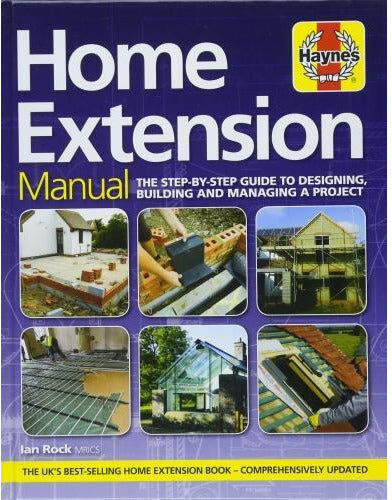
J H Haynes & Co Ltd Home Extension Manual – Step-by-Step Guide to Planning, Building & Managing Your Home Renovation Project DIY & Construction HandbookMany people are looking at ways to extend their homes rather than move house; but getting the builders in can be a recipe for disaster unless you really know what you are doing. Whether you plan to employ a building contractor or tackle some of the works yourself; this best-selling manual will show you how to stay firmly in control; resulting in a high-quality extension; completed on time and within budget. This new edition will include all the up-do-date information on complying with the latest Building Regs and Planning requirements; CAD design; energy-efficiency; under floor heating; bi-folds; liquid screeds; woodburning stoves and renewable energy. tags;home extension manual13,40 £*Shipping: 2,99 £Secure redirect to the provider
-
JoyToys 100PCS Large Building Blocks Educational Construction Set For Creative STEM Learning 100PCS Large Building Blocks Educational Construction Set For Creative STEM LearningSpark your child's imagination while building essential learning skills through creative play. These kids building blocks are designed for little hands, making stacking, connecting, and building simple, safe, and fun. With 100 colorful pieces,...29,97 $*Shipping: 0,00 $Secure redirect to the provider
-
Templar Publishing Building Machines: The Interactive Guide to Construction MachinesThis book combines fact-filled spreads with an interactive building element. Colourful, humorous illustrations explain the mechanics behind each vehicle and their role on a construction site. Then, using a pegboard and over 50 pre-cut parts, budding young engineers can create mini models of these real machines - from bulldozers and dump trucks to cranes and road rollers.8,99 £*Shipping: 2,99 £Secure redirect to the provider
-
How to create a titration curve of a conductivity titration?
To create a titration curve of a conductivity titration, you would first need to set up your titration apparatus with a conductivity meter. Begin by measuring the initial conductivity of the solution being titrated. As you add titrant incrementally, record the conductivity at each point. Plot the conductivity values against the volume of titrant added to create a titration curve. The curve will typically show a sharp increase in conductivity at the equivalence point, allowing you to determine the endpoint of the titration. **
-
How does a titration with the degree of titration work?
A titration with the degree of titration works by gradually adding a titrant of known concentration to a solution of the analyte until the reaction between the two is complete. The point at which the reaction is complete is determined by using an indicator or a pH meter. The amount of titrant required to reach this point is used to calculate the concentration of the analyte in the original solution. The degree of titration refers to the extent to which the reaction has progressed and is typically expressed as a percentage. **
-
How does titration work?
Titration is a technique used in chemistry to determine the concentration of a specific substance in a solution. It involves slowly adding a solution of known concentration (titrant) to a solution of unknown concentration until the reaction between the two is complete. This is typically indicated by a color change or other observable change. By measuring the volume of titrant required to reach the endpoint, the concentration of the unknown solution can be calculated using stoichiometry. **
-
What is a titration?
A titration is a laboratory technique used to determine the concentration of a specific substance in a solution. It involves slowly adding a solution of known concentration (titrant) to a solution of unknown concentration until the reaction between the two is complete. The point at which the reaction is complete is called the equivalence point, which is used to calculate the concentration of the unknown solution. Titration is commonly used in chemistry for various purposes, such as determining the acidity or alkalinity of a solution. **
Similar search terms for Titration
-
Uplift Picks 866PCS Mechanical Dragonfly Building Blocks STEM Construction Kit 01Bring imagination and engineering together with this detailed mechanical dragonfly building blocks set. Designed for curious minds, this STEM learning construction kit challenges kids and adults to build a stunning dragonfly model piece by piece....240,50 $*Shipping: 0,00 $Secure redirect to the provider
-
Uplift Picks 866PCS Mechanical Dragonfly Building Blocks STEM Construction Kit 10Bring imagination and engineering together with this detailed mechanical dragonfly building blocks set. Designed for curious minds, this STEM learning construction kit challenges kids and adults to build a stunning dragonfly model piece by piece....240,50 $*Shipping: 0,00 $Secure redirect to the provider
-
Uplift Picks 866PCS Mechanical Dragonfly Building Blocks STEM Construction Kit 09Bring imagination and engineering together with this detailed mechanical dragonfly building blocks set. Designed for curious minds, this STEM learning construction kit challenges kids and adults to build a stunning dragonfly model piece by piece....240,50 $*Shipping: 0,00 $Secure redirect to the provider
-
Uplift Picks 866PCS Mechanical Dragonfly Building Blocks STEM Construction Kit 03Bring imagination and engineering together with this detailed mechanical dragonfly building blocks set. Designed for curious minds, this STEM learning construction kit challenges kids and adults to build a stunning dragonfly model piece by piece....240,50 $*Shipping: 0,00 $Secure redirect to the provider
-
What tools, materials, and equipment do teachers work with?
Teachers work with a variety of tools, materials, and equipment in their daily work. Some common tools include whiteboards, markers, and projectors for delivering lessons. Materials such as textbooks, worksheets, and manipulatives are used to support student learning. Equipment like computers, printers, and audio-visual devices are also essential for creating engaging lessons and activities. Overall, teachers rely on a combination of traditional and modern tools to effectively educate their students. **
-
Can the titration volume be calculated without having performed the titration beforehand?
No, the titration volume cannot be accurately calculated without having performed the titration beforehand. The titration volume is determined by the amount of titrant needed to reach the equivalence point, which can only be determined through the actual titration process. The titration volume is a crucial parameter in determining the concentration of the analyte in the sample, so it is essential to perform the titration to obtain this information accurately. **
-
What does a titration curve look like when no titration is performed?
When no titration is performed, a titration curve would simply be a straight horizontal line at the initial pH of the solution being tested. This is because there would be no addition of titrant to cause any changes in pH. The curve would remain flat and unchanging until a titrant is added to initiate the titration process. **
-
What building materials or construction is this?
This is a traditional Japanese building constructed using wood and paper. The wooden framework is typically made from cedar or cypress, and the walls are often made from paper screens called shoji. The roof is usually made from thatched straw or ceramic tiles. This type of construction allows for flexibility and natural ventilation, and is well-suited to Japan's climate and seismic activity. **
* All prices are inclusive of VAT and, if applicable, plus shipping costs. The offer information is based on the details provided by the respective shop and is updated through automated processes. Real-time updates do not occur, so deviations can occur in individual cases. ** Note: Parts of this content were created by AI.